Skip to content

Long-standing pain needs a clear diagnosis first.

Prof. Dr. Hüsnü Süslü is a pain medicine (algology) specialist in Kadıköy, Istanbul. He assesses spine-related, nerve and cancer pain and plans treatment with you, from medication and exercise to image-guided procedures when they are appropriate.

Consultations in English and Turkish

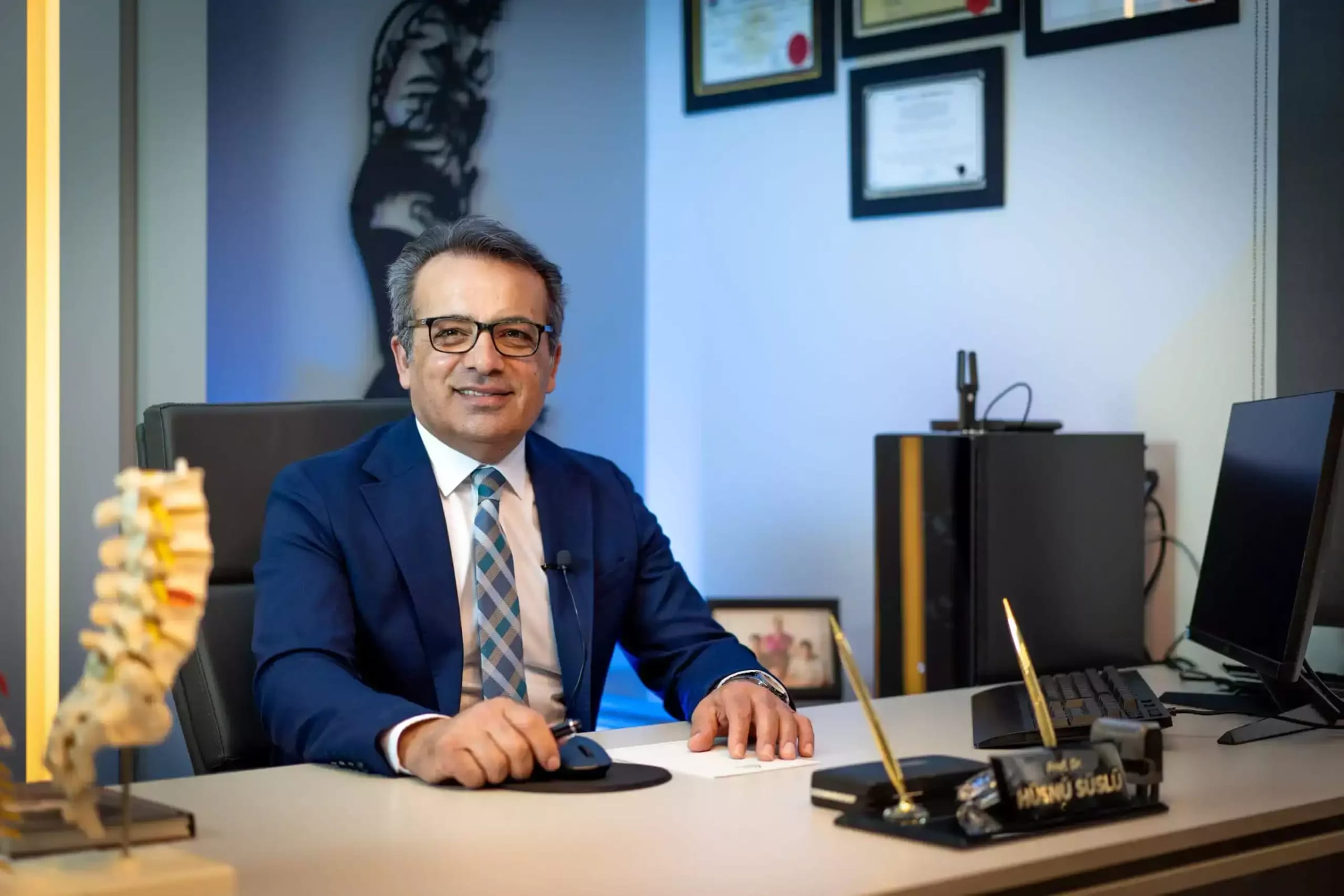
Prof. Dr. Hüsnü Süslü at his desk in the Kadıköy clinic, with a spine model in the foreground
Subspecialty in pain medicine
Algology
Specialist in anaesthesiology and reanimation
Prof. Dr.
Medical degree, Istanbul University Cerrahpaşa
1994
Ministry of Health authorisation for international patients
ST-4804

How a visit is planned

  1. 1

    Send your reports

    Share recent MRI or CT reports, and the images if you have them, by WhatsApp or e-mail.

  2. 2

    Preliminary review

    Prof. Dr. Süslü reviews your documents and tells you whether a visit to Istanbul seems appropriate.

  3. 3

    Consultation in Istanbul

    A full examination at the clinic; your options are explained with their benefits and risks.

  4. 4

    Procedure, if indicated

    Performed in a licensed hospital setting with imaging guidance, after you have agreed to it.

  5. 5

    Follow-up from home

    Updates by WhatsApp or e-mail, and a written summary in English for your own doctor.

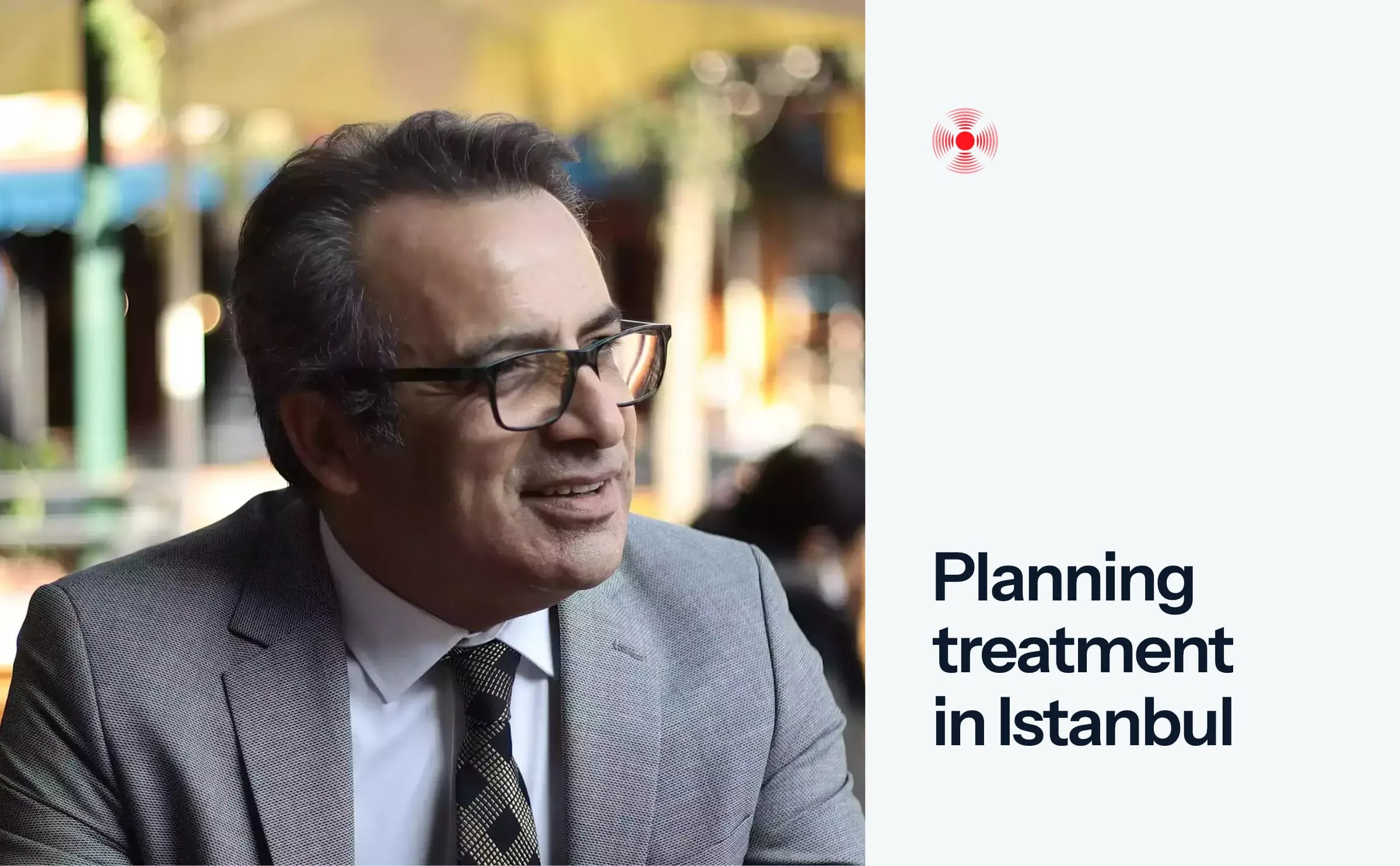
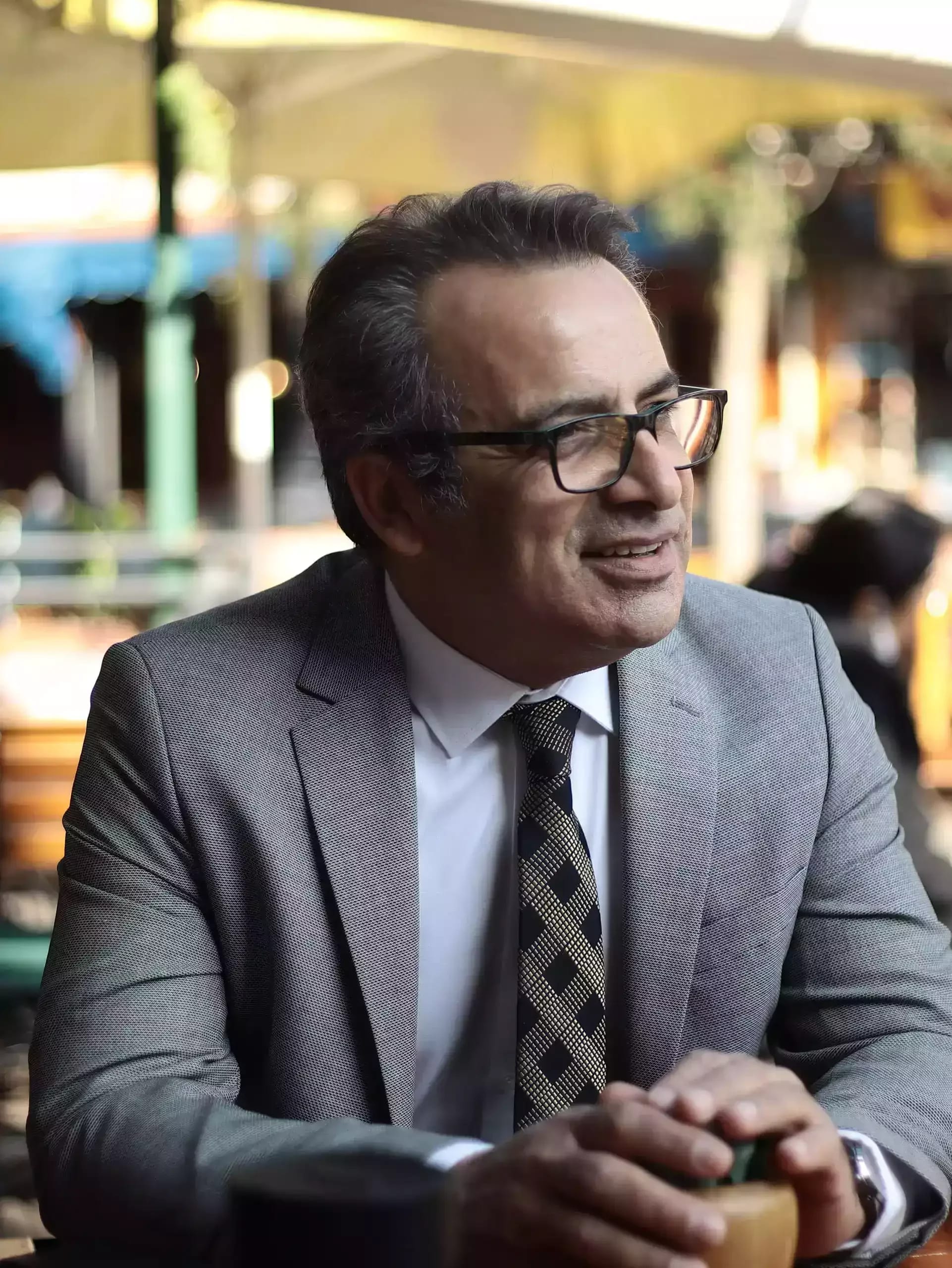
Prof. Dr. Hüsnü Süslü in a grey suit, seated at a café

Prof. Dr. Hüsnü Süslü

Prof. Dr. Hüsnü Süslü is a specialist in anaesthesiology and reanimation with a subspecialty in algology (pain medicine). At his private clinic in Kadıköy, Istanbul, he assesses and treats long-standing pain, particularly spine-related pain, nerve pain and cancer pain.

He led the pain unit of a teaching hospital in Istanbul for many years and later taught at a faculty of medicine. He has published peer-reviewed research on interventional pain treatments and procedural safety.

My first aim is to understand where the pain is coming from. Then I explain the options clearly, with their possible benefits and risks, and we decide together.

Interventional pain treatments

Non-Surgical Treatment for Lumbar Disc Herniation

Treatment for a lumbar disc herniation usually does not begin with surgery. This page explains the stepwise approach, from medication, exercise and physiotherapy to image-guided procedures, and when a surgical opinion is needed.
Non-Surgical Treatment for Cervical Disc Herniation

Treatment for a cervical disc herniation usually does not begin with surgery. This page explains the stepwise approach, from medication and physiotherapy to image-guided injections, and the warning signs that call for a surgical opinion.

Nucleoplasty

Nucleoplasty is a needle-based procedure that aims to reduce pressure inside the disc in selected lumbar and cervical herniations that are still contained within the disc's outer ring. It is not suitable for every herniation; the decision follows an examination and MRI review.

Percutaneous Laser Disc Decompression (PLDD)

Percutaneous laser disc decompression (PLDD) uses a fine laser fibre passed through a needle into the disc to reduce the pressure inside it. It is considered only for selected patients with a contained herniation, and results vary from person to person.

Radiofrequency Treatment

Radiofrequency treatment delivers controlled energy through a fine, image-guided needle placed next to specific nerves that carry pain signals. It is used in selected cases such as facet joint-related back and neck pain, nerve root pain and trigeminal neuralgia.

Epidural Steroid Injection

An epidural steroid injection delivers a corticosteroid, under image guidance, into the space just outside the membrane around the spinal cord to calm inflammation around a nerve root. It is considered for leg or arm pain caused by a lumbar or cervical disc herniation.

Authorised to treat international patients

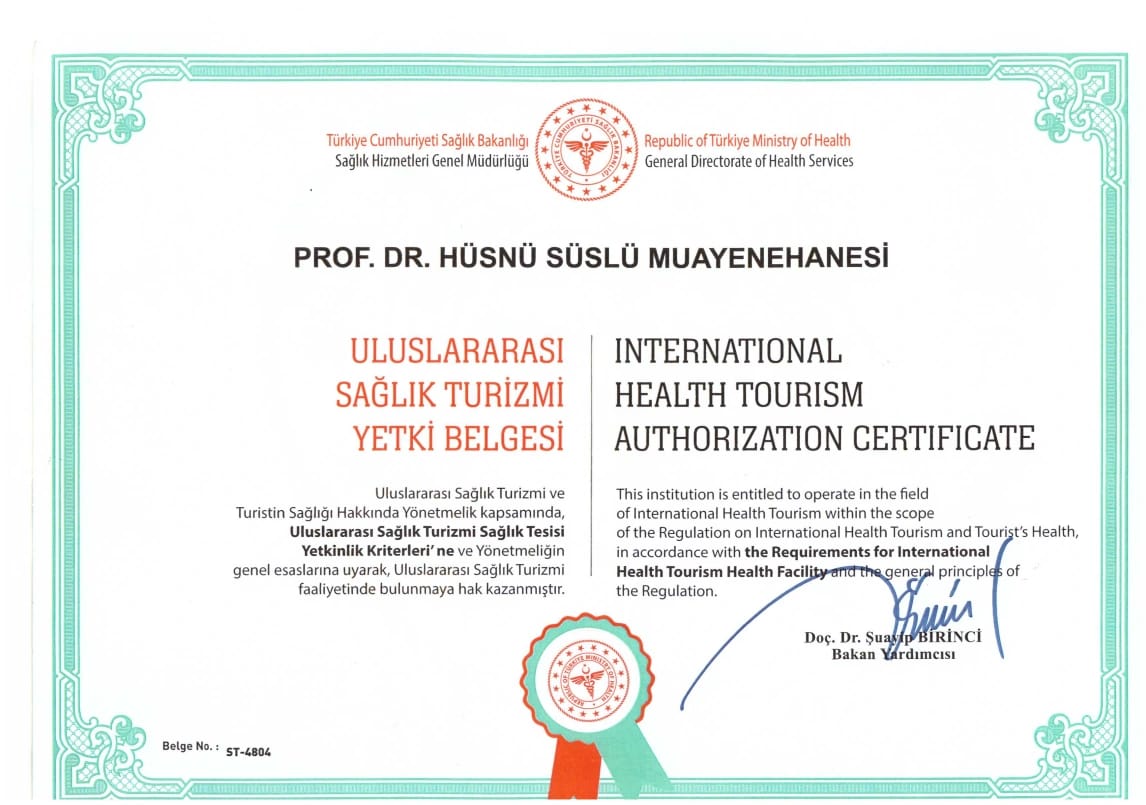
The clinic holds an International Health Tourism Authorization Certificate issued by the Turkish Ministry of Health.

Issued by
Republic of Türkiye Ministry of Health, General Directorate of Health Services
Certificate no.
ST-4804
Turkish Ministry of Health International Health Tourism Authorization Certificate, Prof. Dr. Hüsnü Süslü Muayenehanesi, no. ST-4804

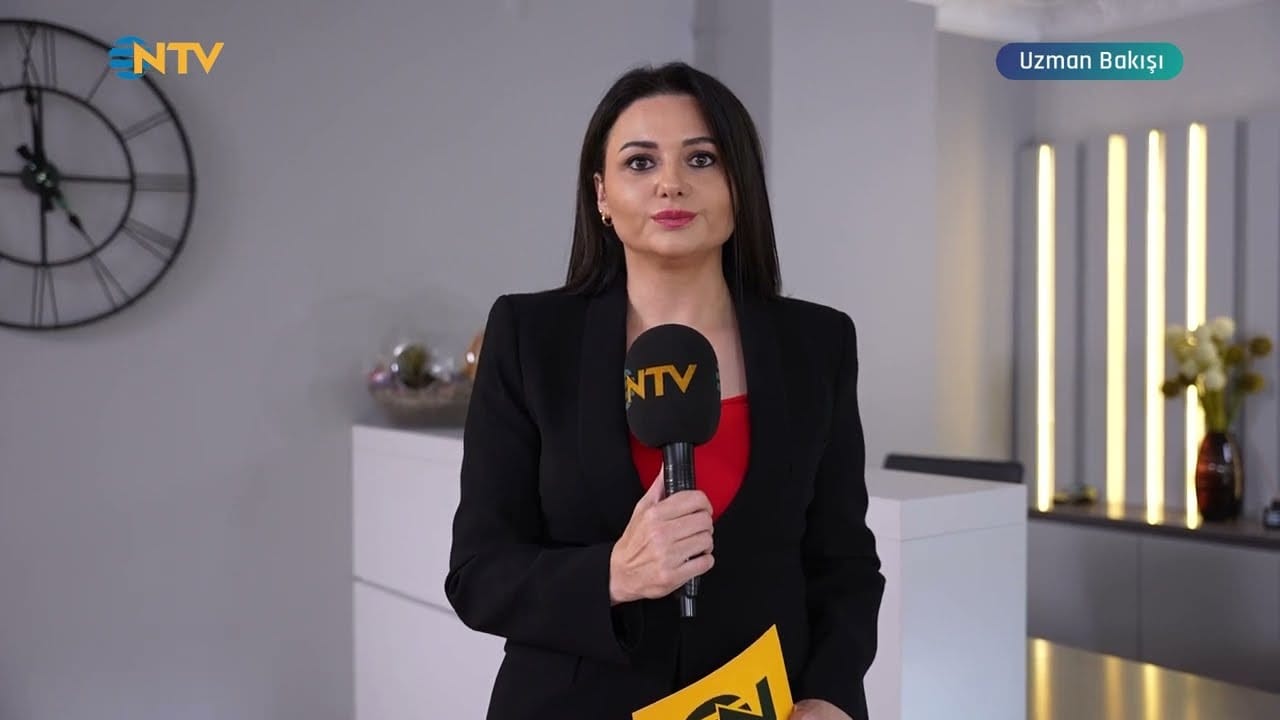
Television appearances

NTVWatch on YouTube(opens in a new tab)

Common questions

Can I send my MRI before the consultation?

Yes. You can send your reports and images by WhatsApp or email for a preliminary review. This gives an initial impression, but diagnosis and treatment decisions are made only after an in-person examination. Please read the privacy policy before sharing health information.

Are procedures done under general anaesthesia?

Rarely. Most interventional pain procedures are performed under local anaesthetic, sometimes with light sedation to help you relax. The approach planned for you is explained beforehand.

Will I need surgery?

That depends on your examination and scans. For back and neck pain, non-surgical options are usually explored before surgery is discussed; however, worsening weakness or problems with bladder or bowel control call for a surgical assessment. See when is herniated disc surgery needed?

Are the results permanent?

It varies with the cause of the pain, the treatment and the individual. Some people have long-lasting relief; for others the pain returns over time and further treatment may be needed. Regular exercise and changes to daily habits help maintain the benefit.

Which languages are consultations held in?

Consultations are held in English or Turkish; Prof. Dr. Hüsnü Süslü speaks English. If you would prefer another language, you are welcome to bring a family member or a trusted interpreter.

How long will I need to stay in Istanbul?

It depends on whether you are coming for an assessment only or for an assessment and a procedure. A few days are usually enough for the consultation, any procedure and a check-up before you fly home; an extra day or two gives room if the plan changes.

From our patient guides

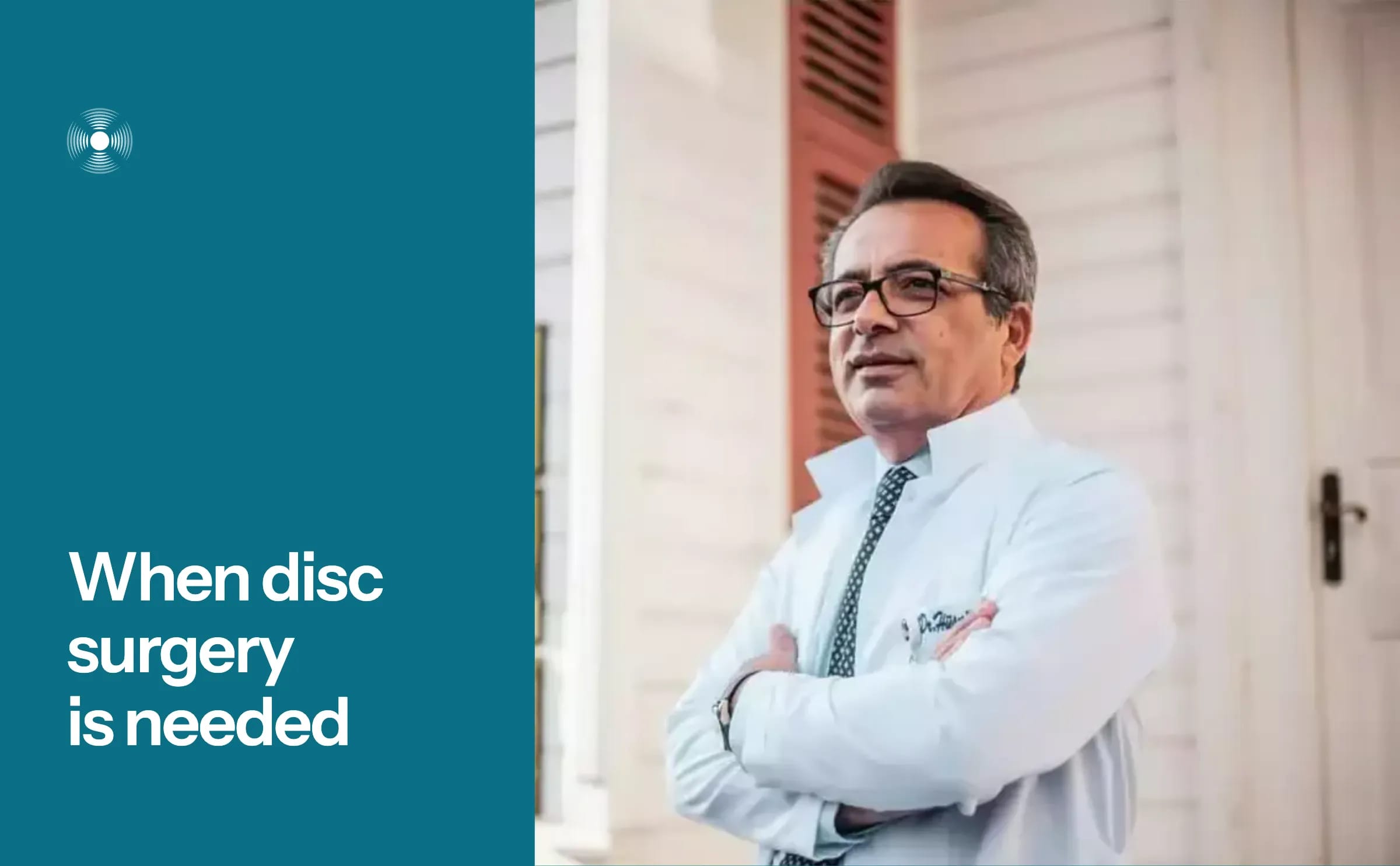
  • Prof. Dr. Hüsnü Süslü in a white coat, arms crossed

    Interventional Treatments

    When Is Herniated Disc Surgery Needed?

    Most herniated discs are treated without surgery, but a few situations call for an urgent surgical opinion. This guide explains how the decision is made and which non-surgical options may come before it.

    5 min read

  • Prof. Dr. Hüsnü Süslü in a grey suit, seated at a café

    Patient Guides

    Planning Pain Treatment in Istanbul: A Practical Guide for International Patients

    Travelling for pain treatment takes some planning. This guide covers sending your scans for a preliminary review, how long to stay, language, and follow-up once you are back home.

    4 min read

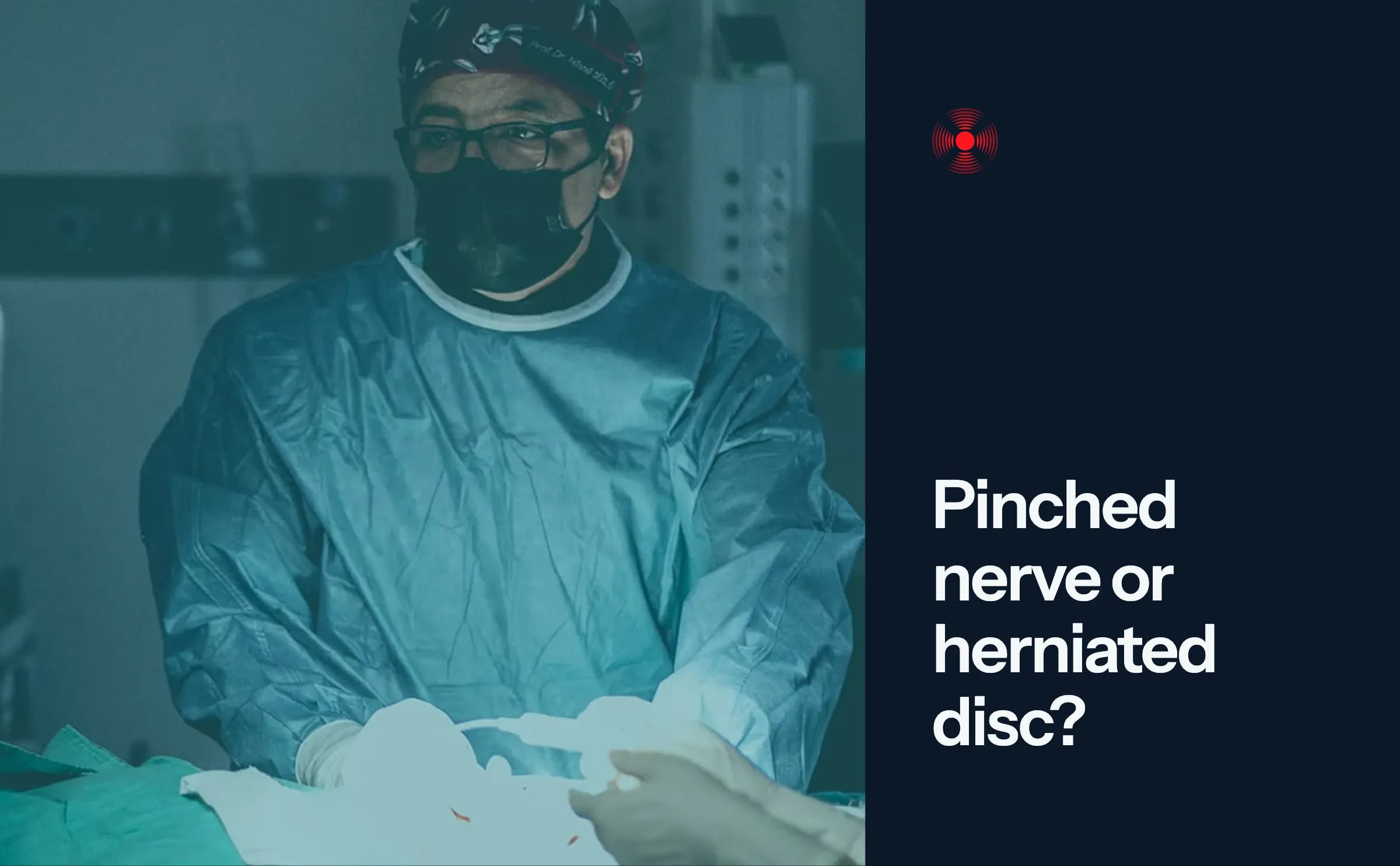
  • Prof. Dr. Hüsnü Süslü during an image-guided interventional pain procedure

    Spine Health

    Pinched Nerve vs Herniated Disc: What Is the Difference?

    A herniated disc is a structural problem with one of the discs in your spine; a pinched nerve describes a nerve being compressed by the tissues around it. A herniated disc is just one possible cause of a pinched nerve.

    5 min read

Kadıköy, on the Asian side of Istanbul

Address
Göztepe Mah. Bağdat Cad. Alemdar Apt. No:213 D:3Kadıköy / İstanbulDirections(opens in a new tab)
Opening hours
  • Every day08:00-18:00
Getting here and appointments

The clinic is on Bağdat Caddesi in Göztepe, Kadıköy, on the Asian side of Istanbul. Göztepe station on the Marmaray line and the buses along Bağdat Caddesi are the easiest public transport options. Use the map link for directions.

Consultations are by appointment only. You can confirm your time by phone or WhatsApp.

Planning a consultation in Istanbul?

Send us your reports for a preliminary review, or ask a question on WhatsApp.

Call:+90 216 234 18 81

HealthTürkiye, Heart of Health

International Health Tourism Authorization Certificate, Ministry of Health of the Republic of Türkiye

The clinic of Prof. Dr. Hüsnü Süslü holds this certificate. Certificate no: ST-4804.

International patients